How Blockchain Technology and PI Network Work
Part I: Understanding Blockchain
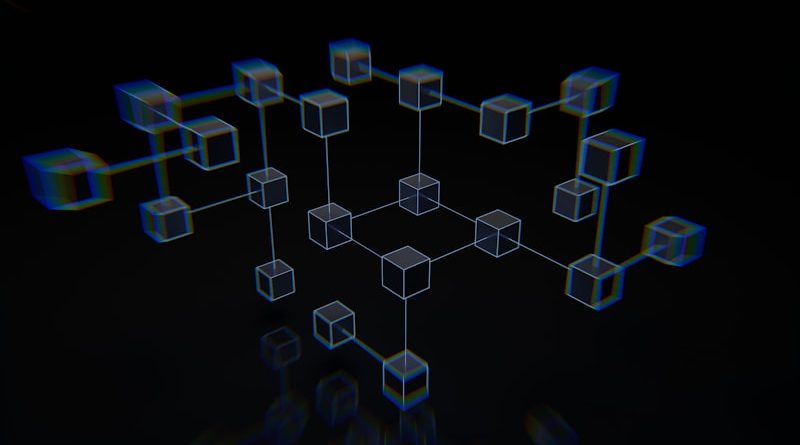
Blockchain is a distributed ledger technology that records data in a chain of linked blocks. Each block contains a Block Header (Previous Hash, Timestamp, Nonce, Merkle Root) and Transaction Data.
Because each block contains the hash of the previous one, any attempt to alter a block changes its hash — breaking the chain and making tampering immediately detectable.
Key Concepts
Decentralization: No single entity controls the blockchain. Thousands of nodes worldwide each hold a complete copy. To add a new block, a majority must agree — this is called consensus.
Immutability: Once confirmed, a block cannot be altered without redoing all subsequent blocks — requiring control of more than 50% of the network.
Transparency: On public blockchains like Bitcoin or Ethereum, anyone can view the full transaction history. Privacy is maintained through pseudonymity.
Part II: Where Does PI Network Fit?
PI Network allows users to “mine” PI coins on smartphones using a social consensus model rather than energy-intensive proof-of-work. The project aims to make crypto accessible without specialized hardware.
However, approach PI Network with realistic expectations. Key questions remain about its blockchain implementation, the real-world value of PI coins, and its long-term roadmap. Research thoroughly and only invest time and resources you can afford to lose.
Blockchain technology itself is well-established and transformative. Whether specific projects built upon it deliver on their promises depends on execution, adoption, and the integrity of the development team.
Related Posts