“Practicing Without Means” – An Idealism Disconnected from Reality?
As the world enters an era of globalization and digital technology, the vision of a harmonious global community no longer seems like a distant fantasy. Yet the path toward that ideal cannot be built on words alone. It requires the fusion of humanitarian values and practical action.
And yet, some practitioners — particularly certain Buddhist communities — have chosen a path of spiritual cultivation while actively rejecting modern tools and material resources. The question worth asking is: Is this principled discipline, or an idealism dangerously disconnected from reality?
What Does “Practicing Without Means” Look Like?
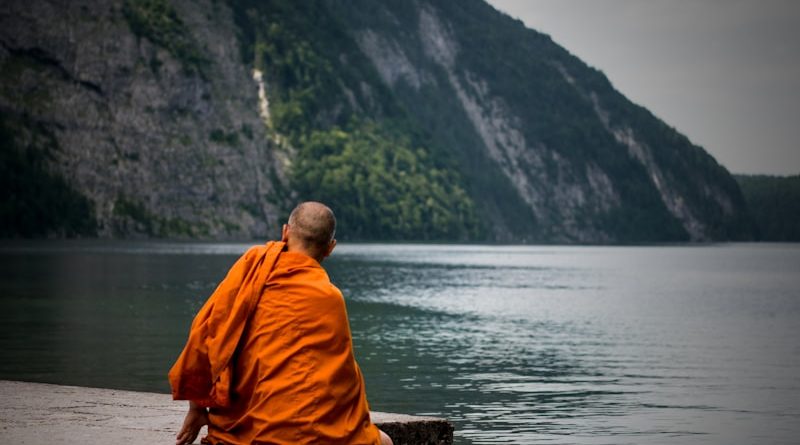
It manifests in different ways: refusing to use social media to share teachings, avoiding digital outreach, or declining financial support. The reasoning is often rooted in a desire for spiritual purity — the belief that attachment to tools corrupts the practice.
The Problem with This Approach
Noble intentions are necessary but insufficient. A doctor who refuses modern medicine out of philosophical purity is not more virtuous — they are less effective. Reducing suffering requires the most effective tools available.
A teacher who reaches fifty people when digital tools could extend their impact to fifty thousand is not choosing depth over breadth — they are choosing limitation over opportunity.
Ideals Need Vehicles
Every great idea in history spread because it found effective vehicles: books, speakers, institutions, networks. Means are not a distraction from the mission. They are how the mission becomes real.
Related Posts